The History of Blind Tennis
“You can make impossible things possible”
- Miyoshi Takei
The Inventor

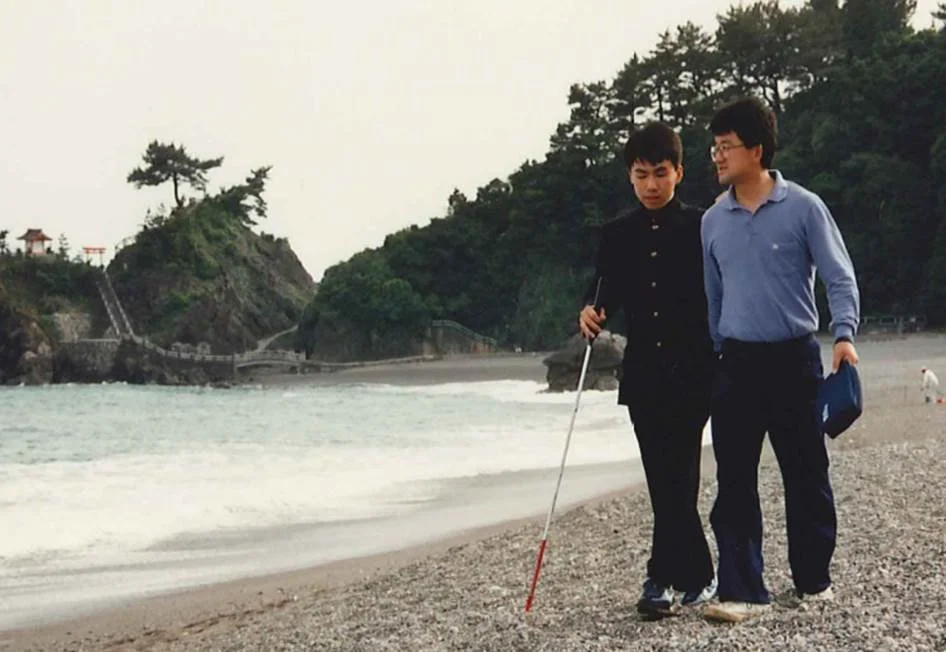
Born in 1968, Miyoshi Takei lost his sight at the age of one and a half and this is where the story begins.
“…there was a moment when Miyoshi realized he was somehow different. Playing baseball with his brothers, they were able to easily hit the ball flying in the air. He couldn’t no matter how hard he tried. He had always thought they saw things the same as him but he was wrong. He yearned to be able to hit a ball flying through space as hard as he could, even though he couldn’t see it…. His teacher Mr. Yamamoto told him that it ‘is easy to give up before even trying. You have to make an effort and only then can you give up.’ Takei remembered these words all his life.” (Excerpt from “Ikimasu. Hai: Blind Tennis Rules” by Martin Etheridge, Amazon 2021)

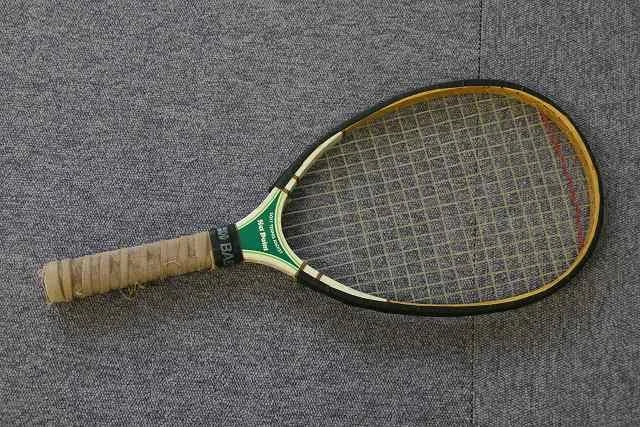
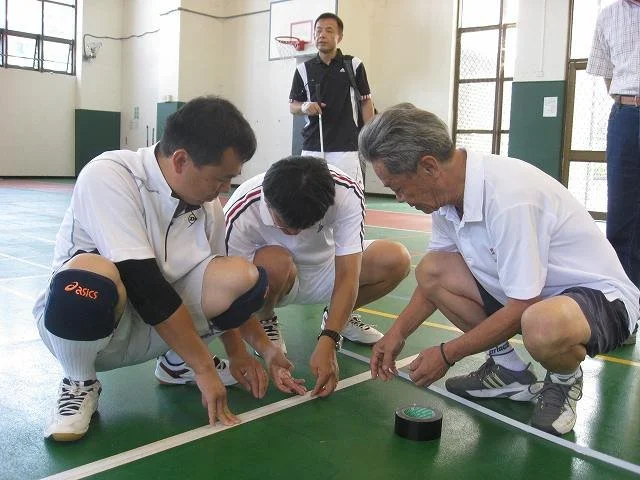
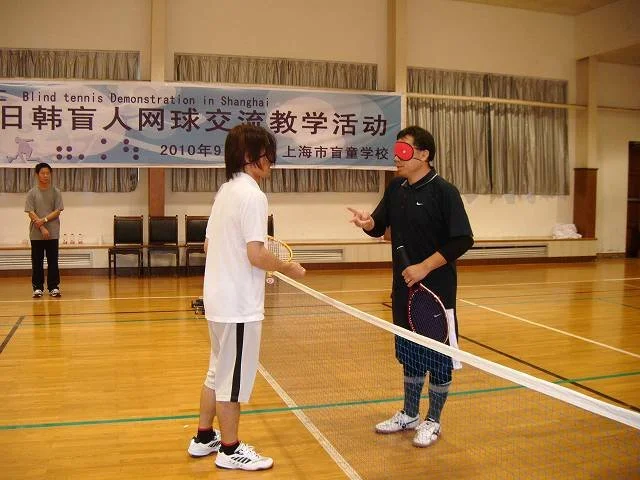
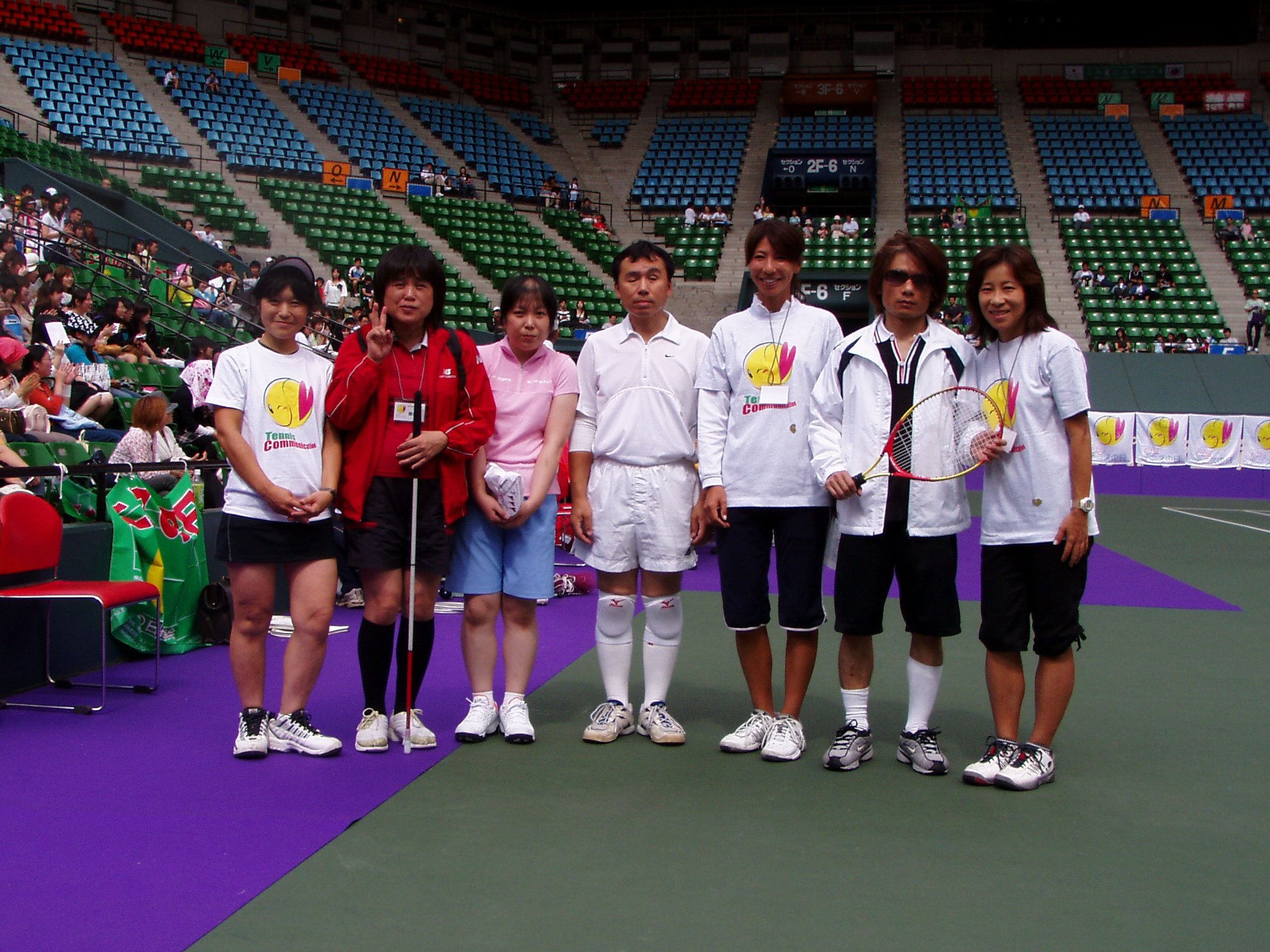
Ayako Matsui, a close friend of Takei, recalls that he worked tirelessly at developing a tennis ball specifically tailored for the blind. His devotion to the sport drew many supporters who joined him in his work. In 1990, the first ever tournament for the visually impaired was held in Japan. Over a 21-year span, Miyoshi Takei was National Champion on 16 occasions. His long-term dream and legacy was that blind tennis continue to grow and be played all over the world by as many people as possible. In 2007 they embarked on a tour of other countries and in the three years that followed worked hard to increase awareness of the sport.
The inventor of the sport as we know it today stressed the importance of independence for the visually impaired in both sport and everyday life, saying that they “have to take responsibility both for success and failure”. Thanks to his determination and dedication, Blind Tennis and Low Vision Tennis is now played in 6 continents across the world.
Miyoshi Takei lost his life in a tragic accident at a Tokyo train station on January 16th 2011. The Blind Tennis founder died at the age of 42, but the sport continues to build momentum as it targets inclusion on the major tennis tours.